

frosted glass divider
Anti-vibrasiya padları Səs-küyün azaldılması və avadanlığın qorunması Texnologiyanın inkişafı ilə birlikdə, insanların gündəlik həyatında istifadə etdiyi avadanlıqların səsi və vibrasiyası da artır. Bu səs-küy və vibrasiyalar bir çox narahatlıqlara səbəb ola bilər, məsələn, sərf olunan enerjinin artması, avadanlığın effektivliyinin azalması, eləcə də insanların sağlamlığına zərər verə biləcək təsirlər. Bu problemi aradan qaldırmaq üçün anti-vibrasiya padları mükəmməl bir həll yoludur. Anti-vibrasiya padları, avadanlıqların altında yerləşdirilən və vibrasiyanın yayılmasını azaldan özel materiallardan hazırlanmış yastıqlardır. Bu padlar quyu, metal, elastomer, plastik və sair materiallardan istehsal edilə bilər. Onların əsas məqsədi, avadanlığın əmələ gətirdiyi vibrasiyaların yerə ötürülməsini minimuma endirməkdir. Bu, yalnız avadanlığın yaşayış mühitinə olan təsirini azaltmaqla kifayətlənmir, həm də bununla birlikdə avadanlığın ömrünü uzadır. Anti-vibrasiya padlarının faydaları 1. Səs-küyün azaldılması Vibrasiya padları, avadanlığın səs-küyünün azaldılmasında mühüm rol oynayır. Məsələn, soyuducular, kondisionerlər və digər elektrik avadanlıqları gündəlik həyatda səs-küy yarada bilər. Bu padların istifadəsi ilə bu səs-küy əhəmiyyətli dərəcədə azaldıla bilər. 2. Avadanlığın qorunması Vibrasiya, avadanlıqların daxili komponentlərinə zərər verə bilər. Zamanla, bu zərər avadanlığın işləməsinə mənfi təsir edə bilər . Anti-vibrasiya padları, bu vibrasiyaların avadanlığın daxili hissələrinə təsirini azaldaraq, onların ömrünü uzadır. anti vibration pads 3. Enerji səmərəliliyi Vibrasiya azaldıldığı üçün avadanlıqlar daha az enerji istehsal edir. Bu, enerji xərclərinin azalmasına və daha ekoloji cəhətdən dost bir mühitin yaradılmasına kömək edir. 4. Titrəmə kontrolu Bəzi tətbiqlərdə, məsələn, istehsalat mühitlərində, titrəmələrin ciddi olaraq kontrolu tələb olunur. Anti-vibrasiya padları, bu titrəmələri minimallaşdıraraq istehsal proseslərinin daha sabit olmasına kömək edir. 5. Havanın keyfiyyətinin qorunması Vibrasiya, döşəmə və digər strukturlarda çatlamalara səbəb ola bilər. Bu, havanın keyfiyyətini təsir edə bilər. Anti-vibrasiya padları istifadə edildikdə, vibrasiyaların yayılması azaldılır və bu da daha sağlam bir mühit yaradır. Nəticə Sonuç olaraq, anti-vibrasiya padları müasir avadanlıqların səs-küyünü azaltmaq və onların ömrünü uzatmaq üçün effektiv bir vasitədir. Bu padların istifadəsi yalnız avadanlıqların effektivliyini artırmır, həm də insanların sağlamlığını qorumağa kömək edir. Həm şəxsi, həm də kommersiya mühitlərində bu cür padların istifadəsi səs-küyün azaldılması, enerji səmərəliliyi və avadanlığın qorunması baxımından mühüm əhəmiyyət kəsb edir. Avadanlıqlarınızı daha uzun müddət istifadə etmək, səs-küyü azaltmaq və sağlam bir mühit yaratmaq istəyirsinizsə, anti-vibrasiya padlarından istifadə etməyi düşünün. Onların istifadəsi, müasir texnologiyanın gətirdiyi vibrasiya və səs-küyün müsbət şəkildə qarşısını almaq üçün əla bir yoldur. Unutmayın ki, hər kiçik detal, daha rahat və daha sağlam bir yaşayış mühiti yaratmaqda böyük rol oynayır.
about
frosted glass divider
Control Valves in Hydraulic Systems Control valves are integral components in hydraulic systems, playing a vital role in the effective management and regulation of fluid flow and pressure. They are designed to control the direction, flow rate, and pressure of hydraulic fluids, enabling precision in a variety of applications from industrial machinery to automotive systems. Understanding the function and importance of control valves in hydraulic systems is crucial for engineers, technicians, and anyone involved in hydraulic system design or maintenance. Function of Control Valves The primary function of a control valve in a hydraulic system is to manage the flow of hydraulic fluid. This can be achieved by either throttling the flow or completely blocking it, depending on the operational requirements. Control valves can be actuated manually, pneumatically, or electronically, allowing for a range of control strategies from simple operator-driven adjustments to complex automated systems. In practice, control valves are classified into several types including proportional valves, directional control valves, and flow control valves, each serving specific functionalities 1. Directional Control Valves These valves manage the path that the hydraulic fluid takes within the system, ensuring that fluid flows to the correct actuator or component. They can switch the direction of flow based on the actuator position and the desired movement of the hydraulic machine. 2. Flow Control Valves As the name suggests, these valves regulate the speed of fluid flow to the actuators. By modifying the flow rate, they control the pace at which hydraulic cylinders or motors operate. This is particularly important in applications that demand precise speed control for effective operation. 3. Proportional Valves These advanced control devices adjust flow rate and pressure in a continuous and proportional manner, as opposed to merely opening or closing. This allows for fine-tuned control over actuator movement, making them ideal for applications requiring high precision. Importance in Hydraulic Systems control valve in hydraulic system The significance of control valves extends beyond simple flow regulation. Their role is crucial in ensuring the efficiency, safety, and reliability of hydraulic systems. 1. Efficiency By controlling the flow and pressure of hydraulic fluid effectively, control valves minimize energy loss. Efficient operation means that hydraulic systems consume less power, which translates to lower operational costs and reduced environmental impact. 2. Safety Properly functioning control valves help to prevent overpressure conditions that could lead to equipment failure or catastrophic incidents. For instance, pressure relief valves are essential for protecting hydraulic systems from excessive pressure, ensuring safe operation under varying load conditions. 3. Flexibility The ability to control the mechanical power produced by hydraulic fluid allows for a wide range of applications. From construction machinery to automotive systems, the versatility of control valves is beneficial in adapting hydraulic systems to meet specific operational demands. 4. Maintenance and Troubleshooting Control valves can also aid in diagnosing issues within a hydraulic system. By monitoring the flow and pressure changes in response to valve adjustments, technicians can identify potential problems such as leaks, blockages, or failures in other system components. Design Considerations When selecting control valves for hydraulic systems, several factors must be taken into account, including the type of hydraulic fluid used, operating pressure, flow rate, and environmental conditions. Compatibility with the overall system design is essential to ensure optimal performance and longevity. Additionally, regular maintenance and calibration of control valves are vital to their continued functionality, helping to avoid system failures and costly downtimes. Conclusion Control valves are indispensable components of hydraulic systems, ensuring effective management of hydraulic fluid flow and pressure. Their various types serve distinct functions, and their importance cannot be overstated—from enhancing efficiency and safety to allowing flexibility in system operation. For anyone working with hydraulic systems, a thorough understanding of control valves and their applications is essential for achieving optimal system performance and reliability. As technology continues to advance, the development of smarter and more efficient control valve mechanisms will undoubtedly further enhance the capabilities of hydraulic systems in the future.
-

High quality industrial productsagement

High quality industrial products
View Details -

Meet the diverse needs of customers

Meet the diverse needs of customers
View Details -

Strict quality control

Strict quality control
View Details -

Top raw materials

Top raw materials
View Details -

Trusted supplier

Trusted supplier
View Details
Our application

news and information
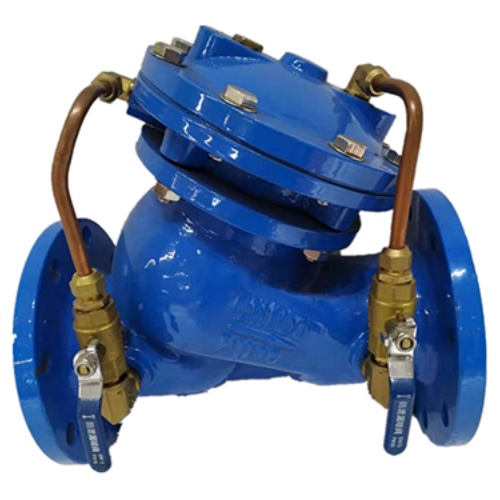
Valvola a ghigliottina 3 4 - Valvole di alta qualità per applicazioni industriali
Titolo La Valvola a Fune del 3% e del 4% Un Approfondimento sulle Valvole più Utilizzate . Ma cosa r

Using Tapered Plug Gauges for Precision Measurement and Quality Control in Manufacturing
Understanding Taper Plug Gauges and Their Applications In precision engineering and manufacturing, e

Utilize brackets for wood connection
The Indispensable Role of Brackets in Wood Joinery In the realm of woodworking, brackets play an es
 English